Board Selects Jonathan Gulliver as Next Executive Director
 Much of what MWRA builds is out of sight. Water arrives when someone turns on a tap. Wastewater leaves when someone flushes. Behind those ordinary moments are treatment plants, tunnels, pipes, and people whose work makes dependable service possible.
When it all works, it is easy to take for granted.
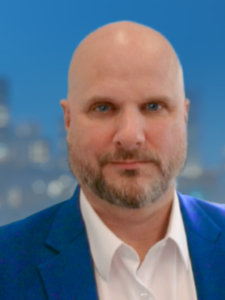
On October 21, the MWRA Board of Directors selected Jonathan Gulliver as the Authority’s next Executive Director, subject to successful contract negotiations. Their discussion looked toward MWRA’s next chapter: building on a strong operational foundation while preparing for the substantial work ahead.
Gulliver brings experience that fits this moment. As Massachusetts Undersecretary of Transportation and State Highway Administrator, he has overseen the engineering, construction, maintenance, and operation of major public infrastructure. He also knows the municipal side of the relationship. A member of the Lancaster Sewer District Commission since 1998 and its current chair, he has experience with a local utility that depends on MWRA service.
The Board’s discussion of MWRA’s next chapter reflected the demands of this new phase. Renewing aging facilities and strengthening the system’s long-term reliability will require skilled staff, realistic schedules, and the capacity to manage major construction while keeping essential services running every day.
Our communities and their ratepayers will fund this work – and experience its effects on different timelines. Construction may arrive well before the associated debt payments show up in assessments. Decisions about which projects move forward, how they are sequenced, and how they are financed can shape local budgets and household bills for decades.
For the Advisory Board, planning for that work means looking closely at what our communities will be asked to shoulder. Keeping assessments sustainable and predictable requires decisions well before the bills arrive: what needs to happen now, what can reasonably wait, and how to pace the work with attention to both MWRA’s ability to deliver it and communities’ ability to afford it.
Board members also highlighted Gulliver’s emphasis on communities. For the Advisory Board, that focus has a practical meaning: seeking local perspectives early enough to influence decisions about the work ahead. We look forward to continuing the longstanding practice of close communication between MWRA and Advisory Board staff under Gulliver’s leadership, with our perspective sought while significant choices can still be shaped. That gives regional needs and local consequences a place in the same conversation.
Our communities deserve a voice in the investments they fund and a clear understanding of what those investments will deliver.
That is where another theme from the Board’s discussion comes into focus. Members repeatedly returned to Gulliver’s interest in making MWRA more public-facing. For the Advisory Board, which has long worked to bring this invisible infrastructure into view, that offers a chance to connect the work ahead with the people who will sustain it.
Imagine if more people could see what stands behind a glass of clean water.
The massive reservoirs west of Boston – including Quabbin, and the history of the four towns lost to its creation. The treatment and testing. The miles of infrastructure and generations of investment. The people working around the clock so that turning on a faucet requires no second thought.
The bill, of course, is quite visible. The work behind it deserves to be understood just as clearly.
Helping our members make that connection is part of the Advisory Board’s job. A stronger partnership with MWRA could bring that work further into our communities: giving local officials useful information for a budget hearing, helping residents understand a project before construction arrives, and creating more opportunities to meet the people responsible for the services they depend on.
Those conversations can work in both directions. Residents can see how the regional system serves their neighborhood. MWRA can hear how its plans affect daily life there. Questions asked early can lead to better decisions, and local officials can explain both the purpose of an investment and how their community helped shape it.
That understanding could reach beyond our member communities, too. Legislators and other public partners would have a clearer view of what this system makes possible – and of the local burden of sustaining it. Stronger relationships could help build broader support for state and federal investment in infrastructure whose benefits extend across the region.
Public outreach alone will not secure that funding. But a system people understand, whose value they can see and whose needs they can explain, gives us a stronger case to make together.
What would it mean if everyone paying a water or sewer bill understood what their investment makes possible – the safe drinking water, cleaner waterways, and dependable service that a well-run, well-maintained regional system provides? If residents facing years of construction could see how their concerns had shaped the project and what it would leave for the generations that follow?
The bills and disruptions would still be real. But alongside those burdens would be a clearer understanding of the value received – and confidence that the people making decisions understand what communities are being asked to bear.
That is what MWRA and its communities could build together: a meaningful voice in the decisions communities fund, a clearer understanding of what their investment provides, and more public partners willing to help sustain a system whose benefits are felt so widely.
The Advisory Board’s members bring the experience of the communities that fund and depend on this system. Their knowledge of local needs, budgets, and daily realities can help MWRA make better decisions about the work ahead.
There are treatment facilities to renew, tunnels to construct, and relationships to build. The Board has chosen Gulliver to lead MWRA into this next phase. We congratulate him and look forward to helping make the value of our regional system as visible to the public as its costs are to the communities that sustain it.